The start of a new year often triggers reassessments across budgets, workflows, and physical spaces. For many organizations, this moment of reset brings attention back to the condition of the workplace itself. Office painting is frequently pushed down the priority list during busy quarters, yet early in the year, it becomes both practical and strategic. When planned correctly, painting after the new year can minimize disruption, align with operational goals, and deliver a measurable return on investment.
Why the New Year Creates a Window for Office Painting
January and early Q1 tend to be quieter for many offices. Teams are ramping up rather than sprinting, travel schedules are lighter, and leadership is actively reviewing facilities as part of broader planning. This combination makes office painting easier to schedule without colliding with peak workloads.
Painting during this period also benefits from clearer timelines. Annual budgets are freshly approved, maintenance plans are being finalized, and there is less pressure to rush decisions. Instead of reacting to visible wear or complaints later in the year, painting becomes a proactive move rather than a corrective one.
Timing Office Painting to Reduce Operational Disruption
Aligning Painting Schedules With Office Use
One of the biggest concerns surrounding office painting is disruption. Noise, odors, and temporary access restrictions can interfere with productivity if not planned carefully. After the new year, however, offices often have more flexibility to stagger work across evenings, weekends, or low-occupancy days.
Modern office painting projects are rarely executed as all-or-nothing shutdowns. Phased approaches allow teams to keep working while specific areas are refreshed. Conference rooms, corridors, and shared spaces are often scheduled first, followed by private offices or departments with more flexible hours. When painting is aligned with real usage patterns, disruption is reduced to background noise rather than a full stop.
Faster Completion With Better Planning
Another advantage of post-holiday scheduling is availability. Contractors are often less backlogged in early Q1, which means painting projects move faster and with fewer delays. Clear scopes, defined timelines, and easier access to spaces all contribute to smoother execution. Office painting that drags on for weeks tends to create frustration; painting that is finished efficiently tends to go almost unnoticed.
The Operational Case for Office Painting
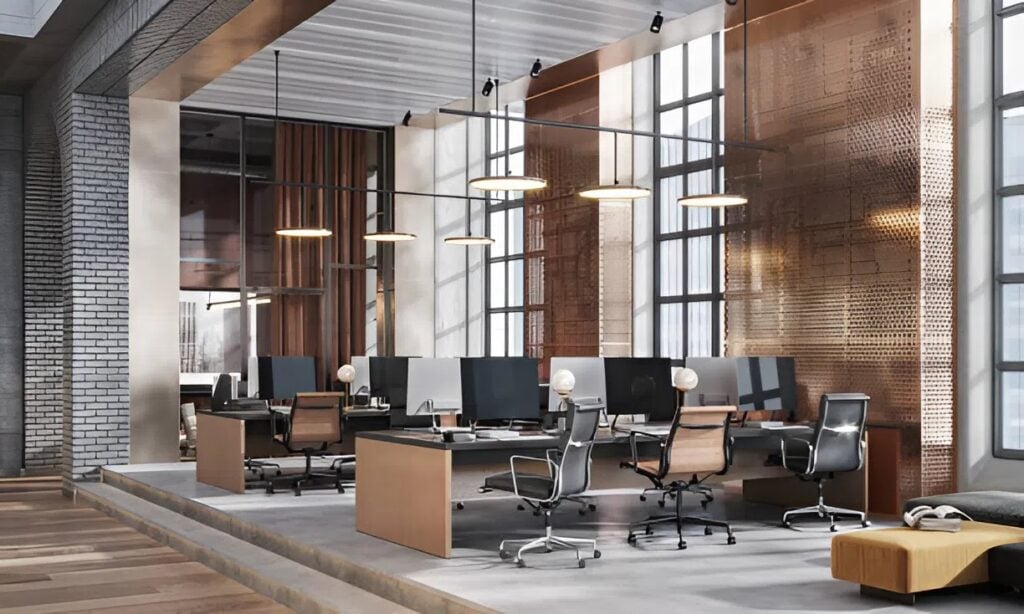
How Office Painting Affects Daily Performance
The condition of a workspace subtly influences behavior. Faded walls, scuffed surfaces, and inconsistent finishes signal neglect, even if unintentionally. Painting refreshes these signals. Clean, uniform finishes reinforce order, professionalism, and care, which can affect how employees treat the space and how visitors perceive the organization.
Office painting is also an opportunity to correct practical issues. High-traffic zones often show wear that makes cleaning less effective. Updating coatings with durable, washable finishes improves long-term maintenance and reduces ongoing upkeep costs. Over time, painting contributes to a cleaner environment with less effort.
Supporting Hybrid and Returning Teams
As many organizations continue to adjust hybrid or return-to-office policies, office painting plays a role in reintroducing teams to shared spaces. A refreshed environment signals intention and investment, rather than obligation. Painting helps offices feel purposeful again instead of merely functional.
Measuring the ROI of Office Painting
Office Painting as a Capital Protection Strategy
From a financial perspective, painting is often viewed as cosmetic. In reality, it protects surfaces from moisture intrusion, abrasion, and long-term damage. Deferred painting can lead to drywall repairs, trim replacement, and higher restoration costs later. When completed on a sensible cycle, painting extends the life of interior finishes and reduces capital expenditures over time.
Painting also preserves asset value. For leased spaces, this can support smoother renewals or negotiations. For owned properties, it contributes to valuation and long-term facility planning.
Brand Perception and Client Impact
Office painting has an external return as well. Clients, partners, and candidates notice spaces, even if they do not comment on them directly. Clean lines, consistent colors, and well-maintained walls communicate reliability and attention to detail. Painting reinforces brand standards without saying a word.
For organizations that host meetings, tours, or interviews, office painting becomes part of the first impression equation. That perception, while difficult to quantify line by line, directly influences trust and confidence.
Choose Rossi Painting & Construction: Your Trusted Commercial Painter in the San Francisco Bay Area
A fresh year is the ideal time to bring structure, professionalism, and durability back into your workplace. Whether the goal is to reduce maintenance issues, modernize workspaces, or align the office environment with new business priorities, working with our experts at Rossi Painting & Construction can make a measurable difference.
Schedule a call today to discuss timelines, phasing options, and how your space can be refreshed with minimal disruption and maximum return.